绽放的希望:花艺如何帮助难民妇女在英国蓬勃发展
- Nov 29, 2021
- 3 min read
作者:Lucy Purdy
出处:Positive News
翻译:David Lin

“I’ve never been green-fingered, so I didn’t think I’d have the skills,”
(我从未有过花艺的才能,也未曾幻想我的潜能。)
玛丽一边说着,一边麻利的制作着花束,在她灵活的手指下,它很快成型,绽放出色彩和香味。
对于像玛丽这样的具有难民背景的女性来说,支持是关键,因为她们在英国重建生活时面临着特殊的障碍。与其他男性同行相比,她们不太可能拥有正式的工作经验,并且经常因照顾孩子的责任而难以参加英语课程。且许多在英国重建生活的女性也在应对性暴力或基于性别的暴力的创伤。
Bread and Roses 正在帮助女性克服这些挑战。除了提高他们的职业技能和教导她们在英国生活的方法外,为期九周的花艺培训和英语课程让他们有机会建立新的社交网络,更是能用花卉抚平她们心中的创伤,打开她们内心的大门。
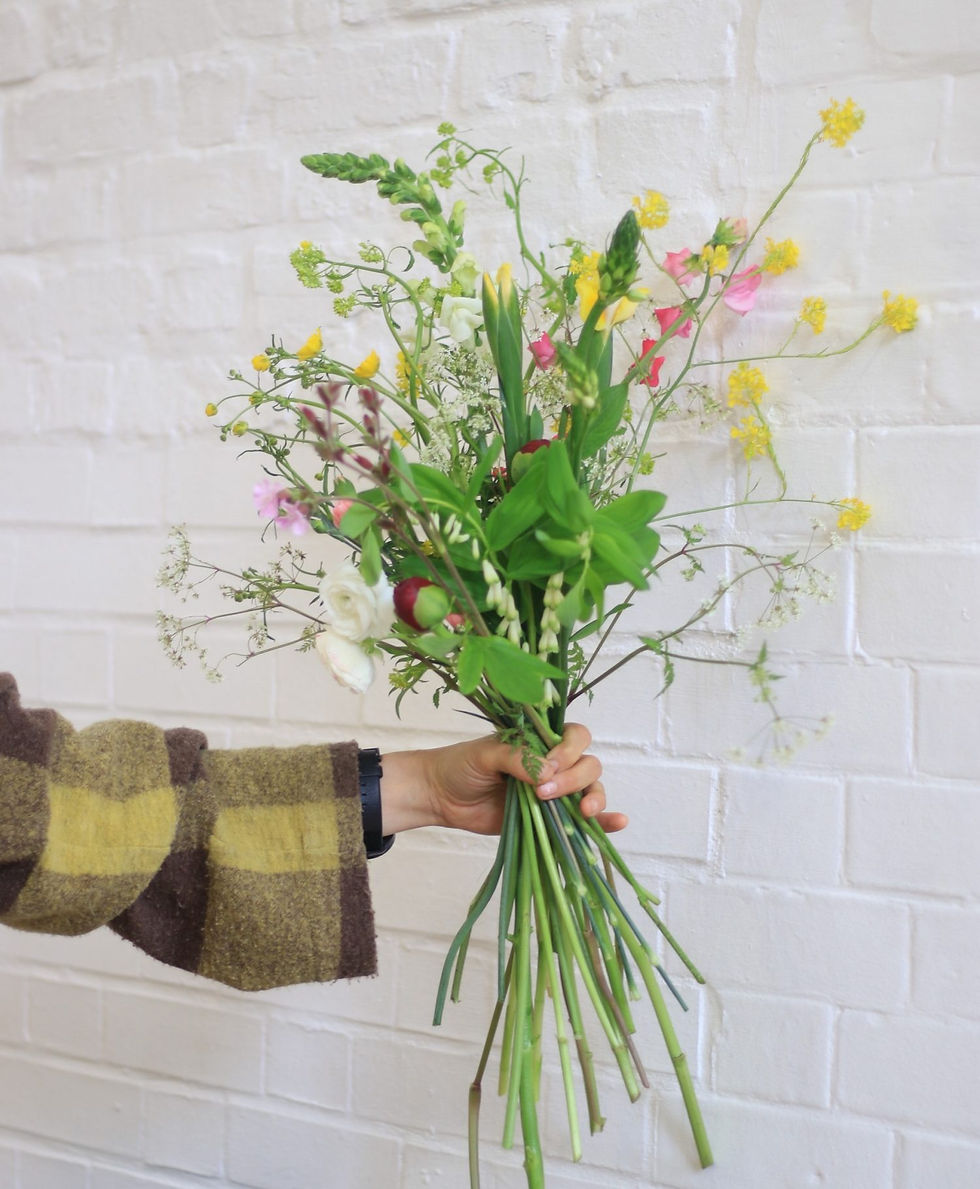
Olivia Head 与 Sneh Jani-Pate 和 Liv Wilson 在 2016 年共同创立了 Bread and Roses,他们希望能够“帮助恢复来自难民背景的人在经历了所有苦难之后的尊严和幸福感”。
今年已有 17 名来自厄立特里亚、阿尔巴尼亚和菲律宾等国的寻求庇护和难民妇女参加了该计划。前一个项目的一名毕业生作为志愿者加入了,“我们对此感到非常兴奋,”Head (创建者之一)兴奋道,他在一份全职工作的同时从事 Bread and Roses 的工作。在今年的第一期计划结束时,所有参与者都报告说他们的生活有所改善,增添了几分幸福感,对寻求帮助的信心也有所提高。除一人外,所有人都表示他们对说英语的信心有所提高。
有了帮助与支持,她们就会以令人期待的方式绽放。
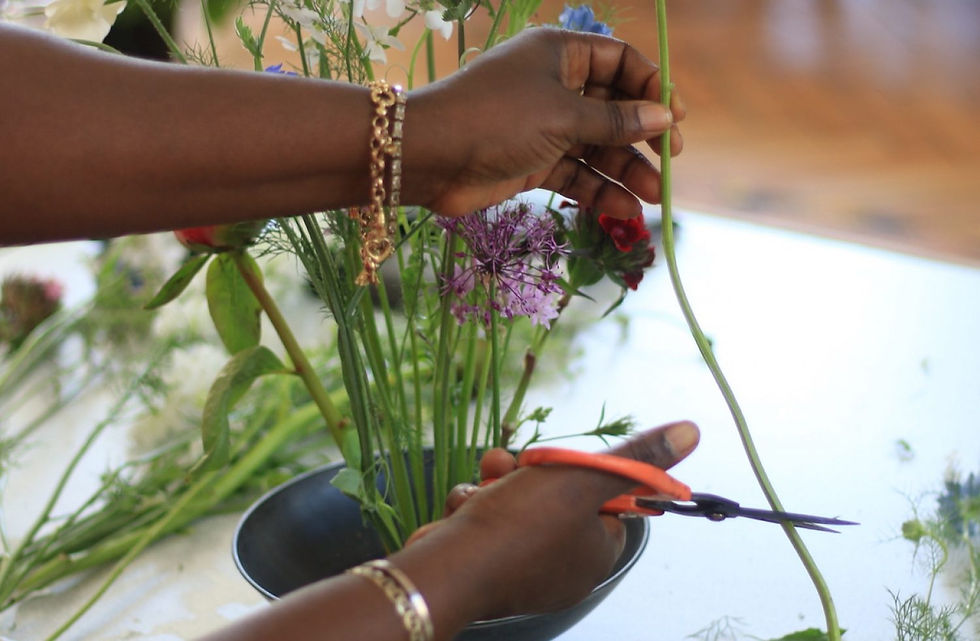
“I’ve never been green-fingered, so I didn’t think I’d have the skills,” says Mary* from Ghana, as she deftly begins to craft a bouquet. Under her nimble fingers, it soon takes shape, bursting with colour and scent.
Despite her previous lack of confidence in the floristry department, Mary – who is seeking asylum in the UK – now counts “calming” lavender and “stimulating eucalyptus among her favourite plants to work with. And it’s not the only way in which she’s grown since becoming involved with the Hackney-based social enterprise Bread and Roses.
“Building my knowledge and being prepared to make mistakes and learn from them, has made me realise that anything is possible if you put your mind to it and have the right support network around you,” she says.
For women from refugee backgrounds like Mary, support is key, as they face particular barriers to rebuilding their lives in the UK. They are less likely than their male counterparts to have formal work experience and often find it difficult to attend English classes due to childcare responsibilities. Many women rebuilding their lives in the UK are also coping with the trauma of sexual or gender-based violence.
Bread and Roses supports women to overcome these challenges. As well improving their vocational and England skills, the nine-week floristry training and English classes give them the chance to build new networks – not to mention enjoying the therapeutic benefits of working with flowers.
“Events in Afghanistan serve as a heartbreaking reminder of the trauma those displaced by conflict live through,” said Olivia Head, who co-founded Bread and Roses alongside Sneh Jani-Patel and Liv Wilson in 2016. The trio want to “help restore a sense of dignity and wellbeing for people from refugee backgrounds after all they have endured”.
Already this year, 17 asylum-seeking and refugee women from countries including Eritrea, Albania and the Philippines have taken part in the programme. One of the graduates from a previous programme has joined as a volunteer, “which we’re really excited about,” enthuses Head, who works on Bread and Roses alongside a full-time job.
The team also want to begin funding organisations outside of London to deliver Bread and Roses programmes in 2022. (Their operations have all been London-based so far).
At the end of the first of this year’s programmes, all participants reported improved wellbeing and increased confidence accessing services. All but one said their confidence in speaking English had improved
For Head and the team though, it’s the small moments of joy, as much as the stats on paper, that are satisfying. These have included sitting together laughing, women from all corners of the world, to enjoy a Persian feast during Refugee Week in June.
Or seeing the women leave, carrying bouquets filled with roses, cosmos and dahlias that they had made in a workshop. With support, they are blooming, in more ways than one.
Words by Lucy Purdy.
Translated by David Lin


Comments